3 min
AWS Observability Costs: Cardinality Budgets & FinOps Limits
CloudWatch Logs Insights bills $0.005 per GB scanned and high-cardinality custom metrics multiply costs. Cardinality budgets, sampling rules, and FinOps fixes.
 Palaniappan P

Tagged
CloudWatch Logs Insights bills $0.005 per GB scanned and high-cardinality custom metrics multiply costs. Cardinality budgets, sampling rules, and FinOps fixes.
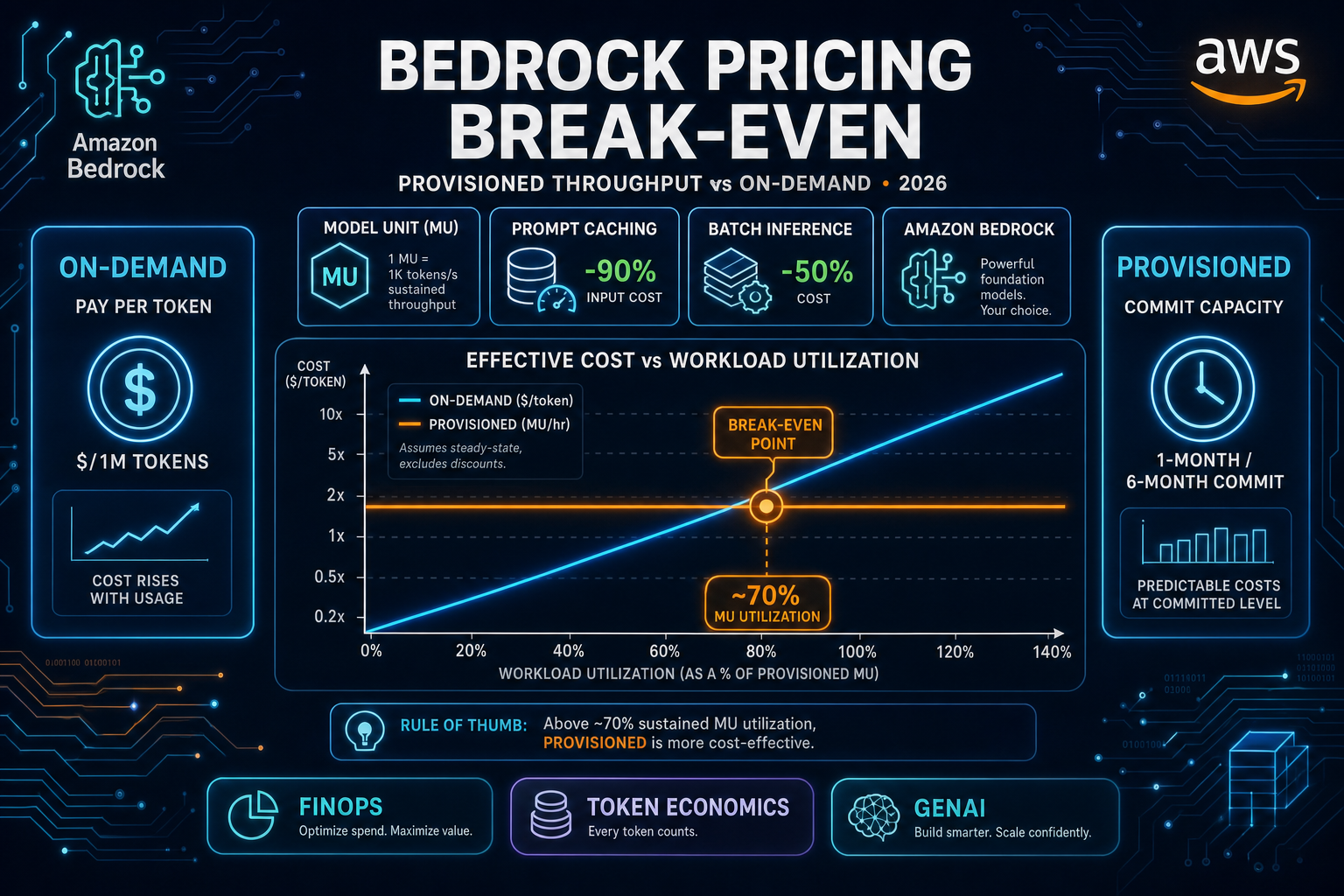
Palaniappan PMost teams buy Bedrock Provisioned Throughput too early or too late. This is the break-even math, by token volume, model family, and traffic shape, that we use in real FinOps engagements to decide which Bedrock pricing mode wins.
 Kevin W.
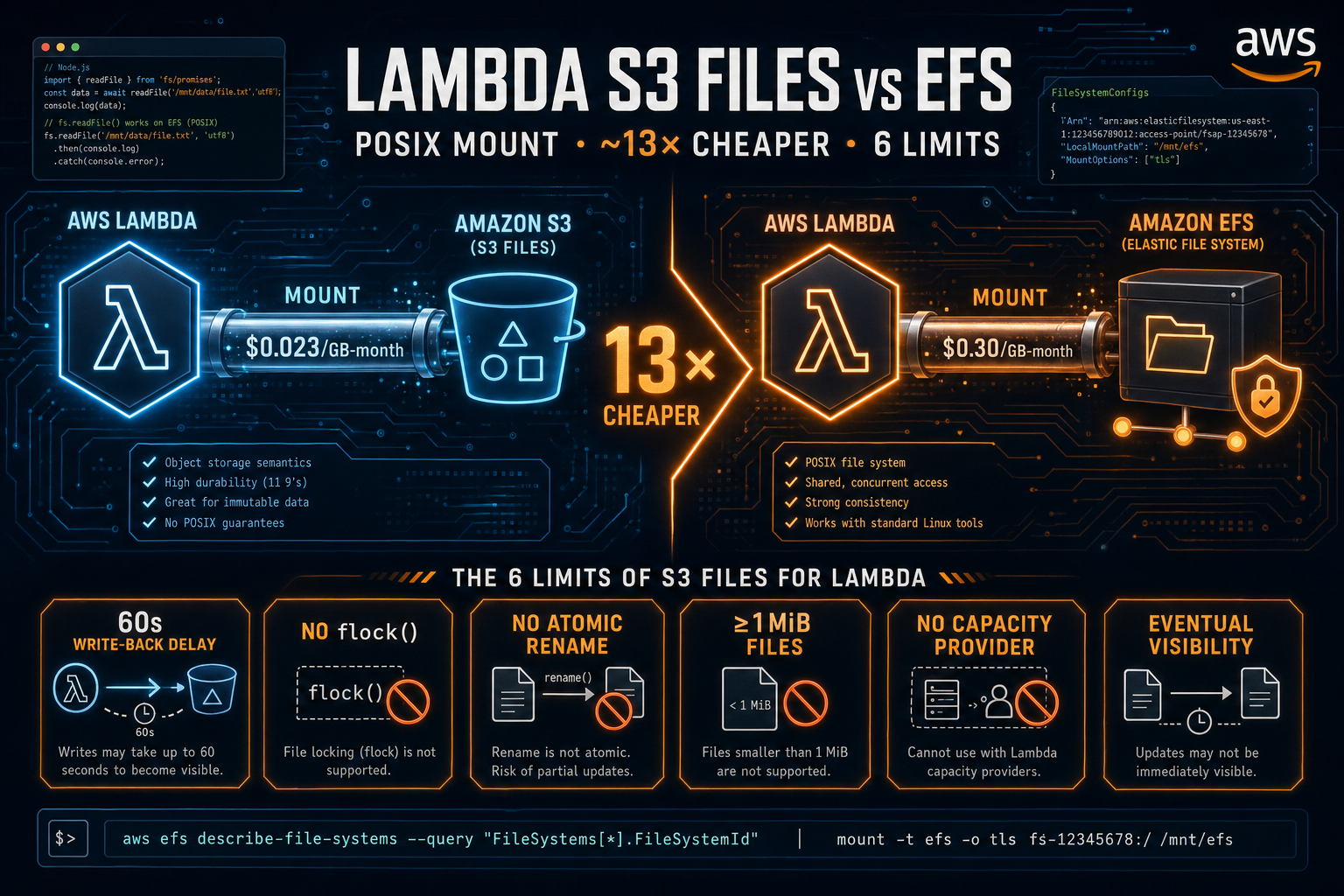
As of July 2026, Lambda S3 Files still mounts S3 as POSIX via NFS, at roughly S3 Standard storage rates vs EFS for large files. Versioning is required, IAM is s3files:*, capacity providers are incompatible, and a ~60s write-back window breaks naive ports.
 Manoj V.
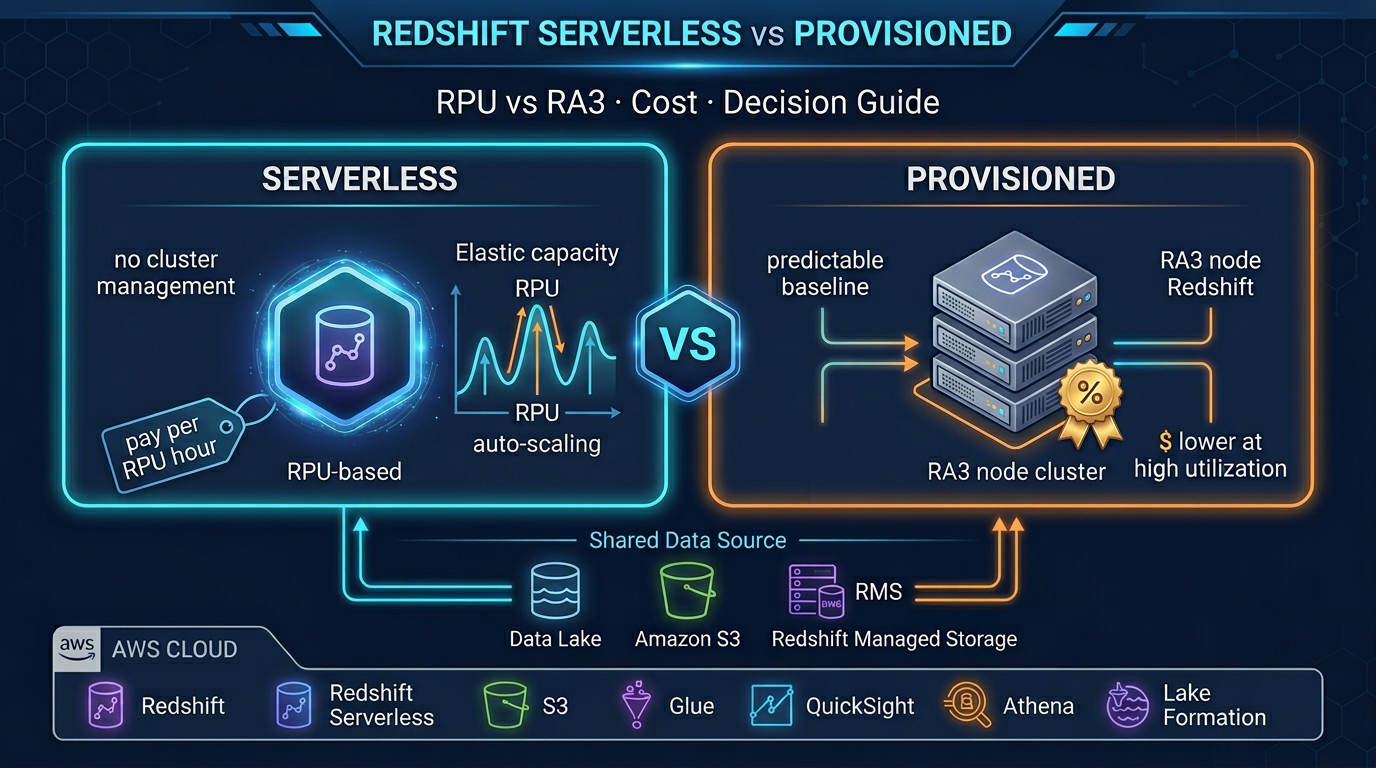
Serverless RPUs vs Provisioned RA3 is still not an automatic call. July 2026 refresh: base 4 to 1024 RPUs, Max RPU-hours, AI-driven scaling, and when RI wins.
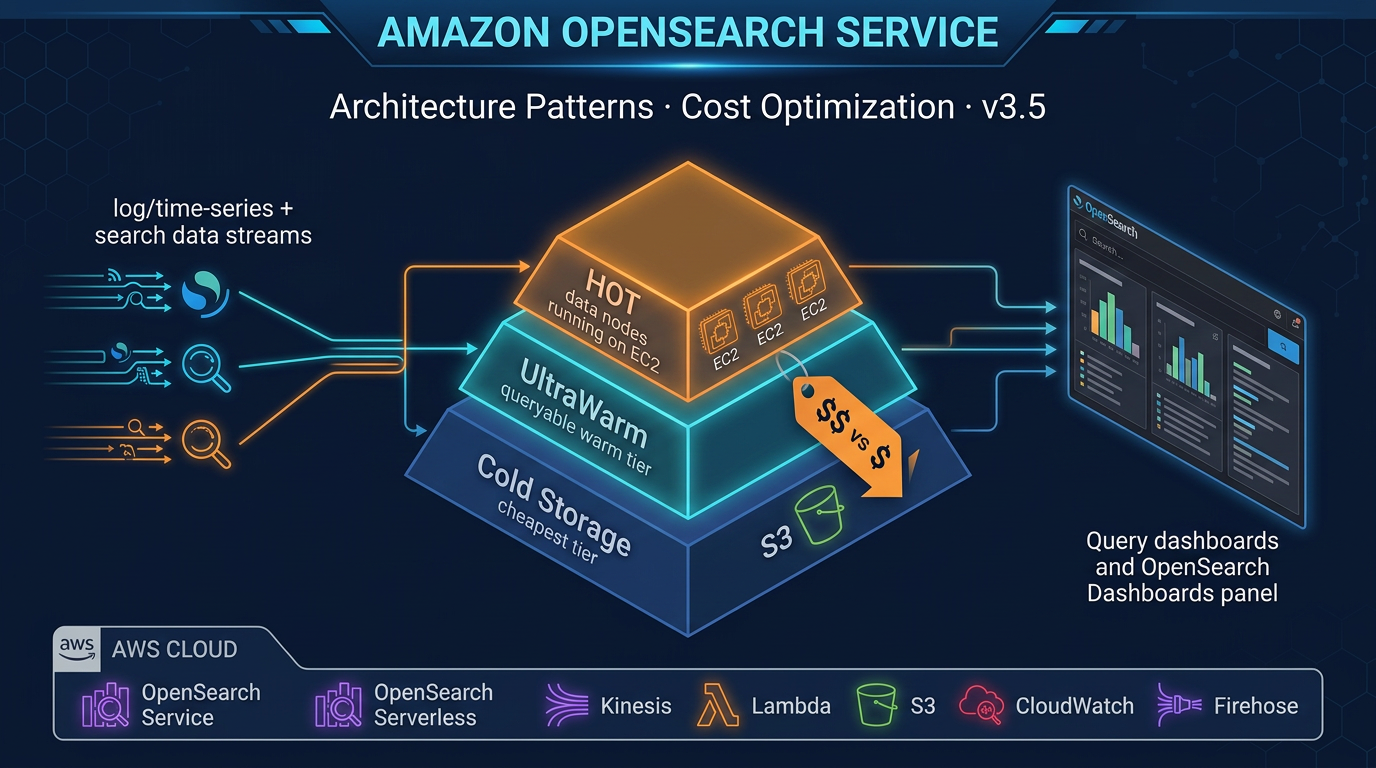
Palaniappan PAmazon OpenSearch Service powers search, log analytics, and time-series workloads on AWS. This post covers the architecture patterns and cost levers that matter most in production.
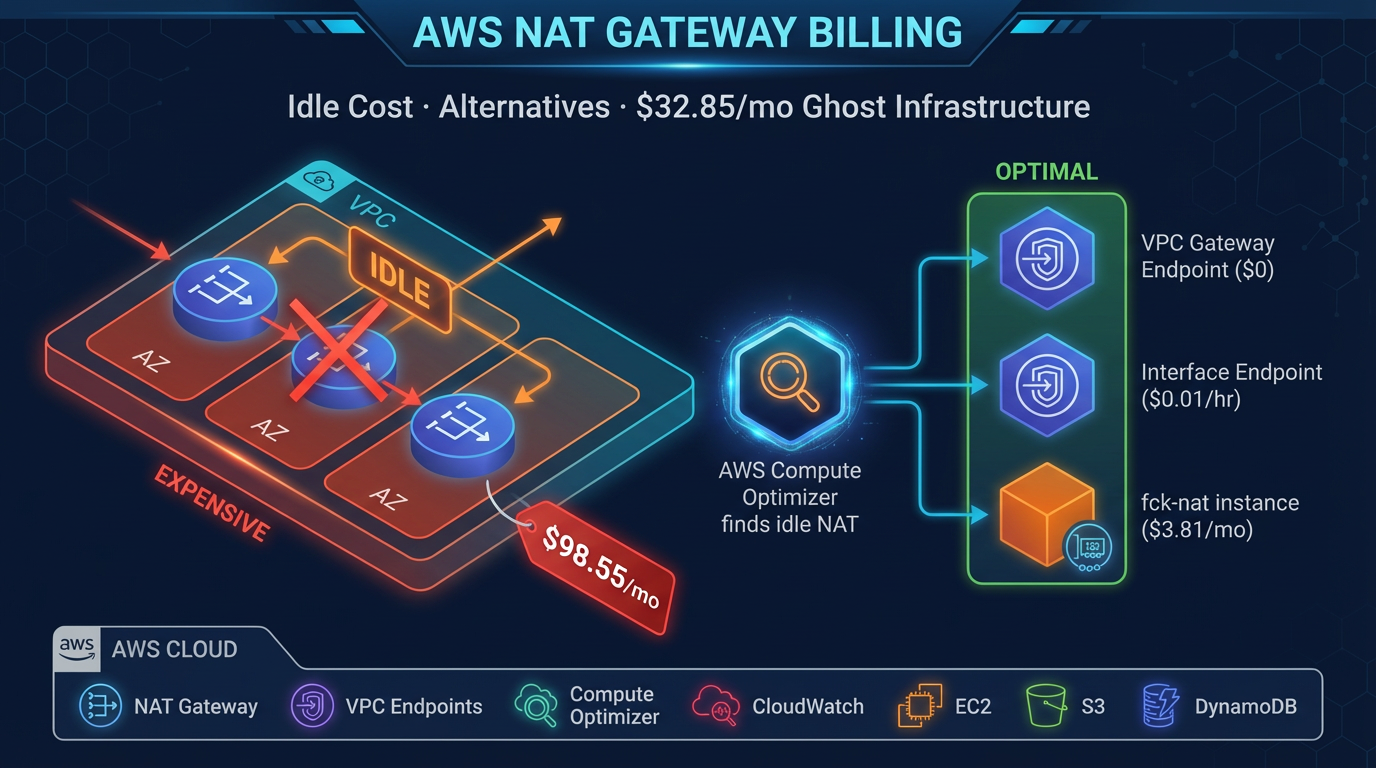
Palaniappan PAn idle NAT Gateway in us-east-1 costs $36.50/month before any traffic: $32.85 in hours plus $3.65 for the public IPv4. A Regional NAT Gateway across three AZs still bills three hours, $109.50 idle.
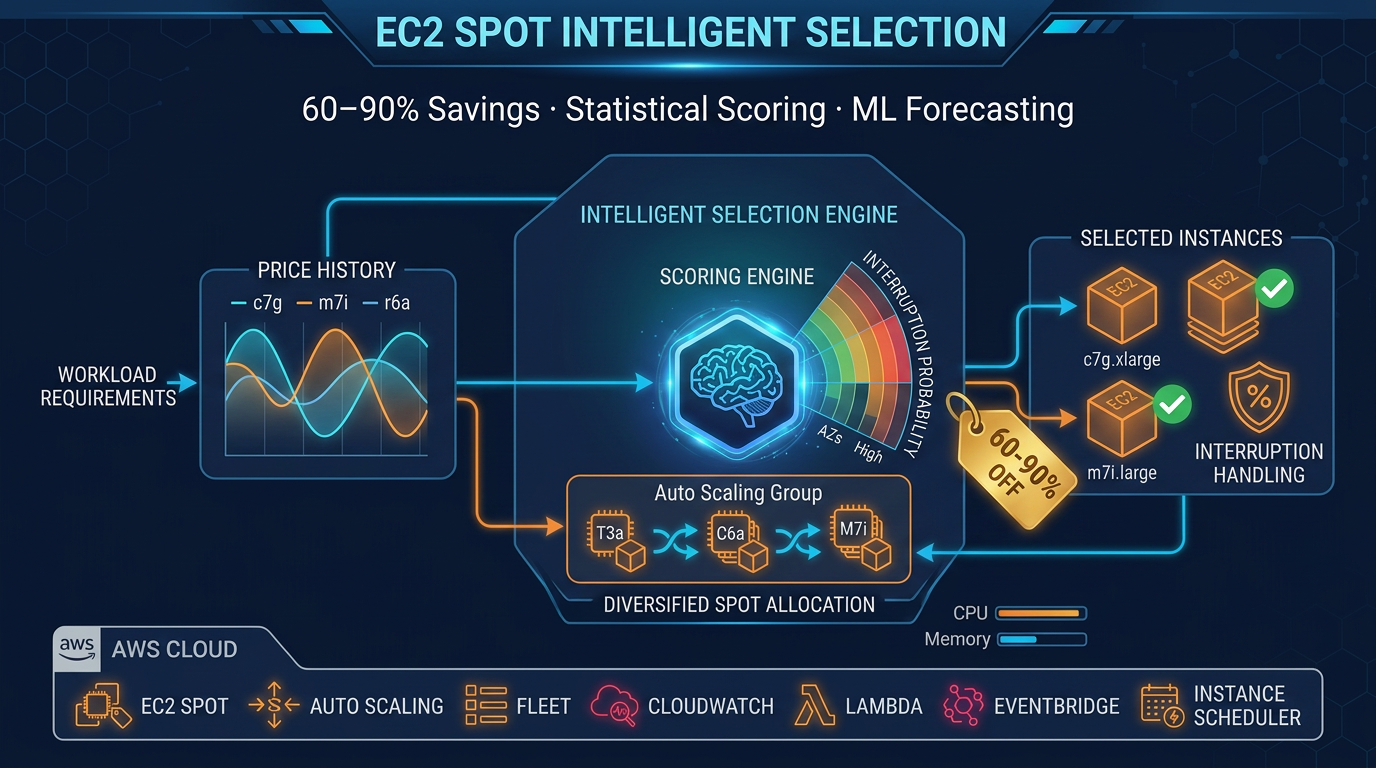
Kevin W.Cheapest Spot pool is often the unstable one. July 2026: price-capacity-optimized + attribute-based selection, stability scoring, and interruption handling, before you chase $/hr.
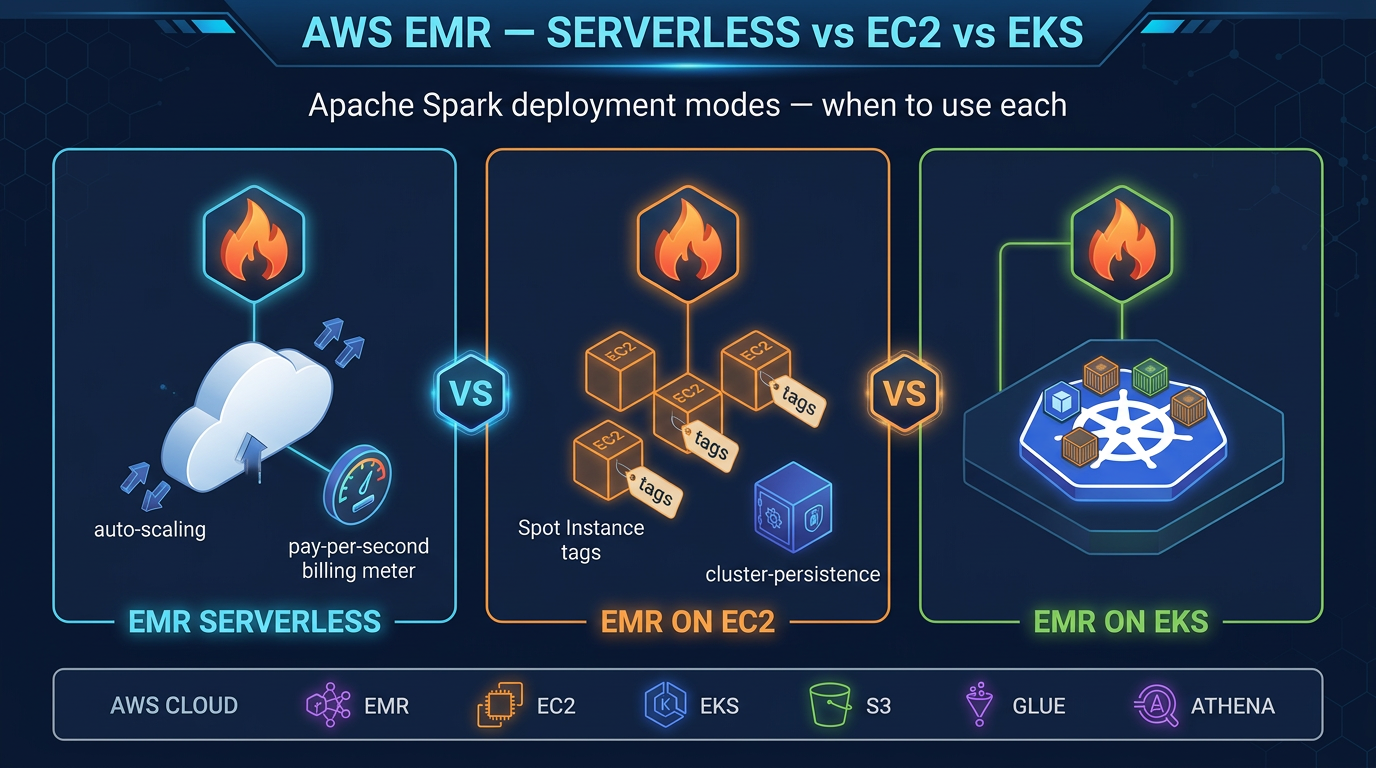
Kevin W.EMR Serverless vs EC2 vs EKS for Spark. July 2026 refresh: Spot limits, cold start, Iceberg on all three, and a decision matrix for intermittent vs 24/7 jobs.
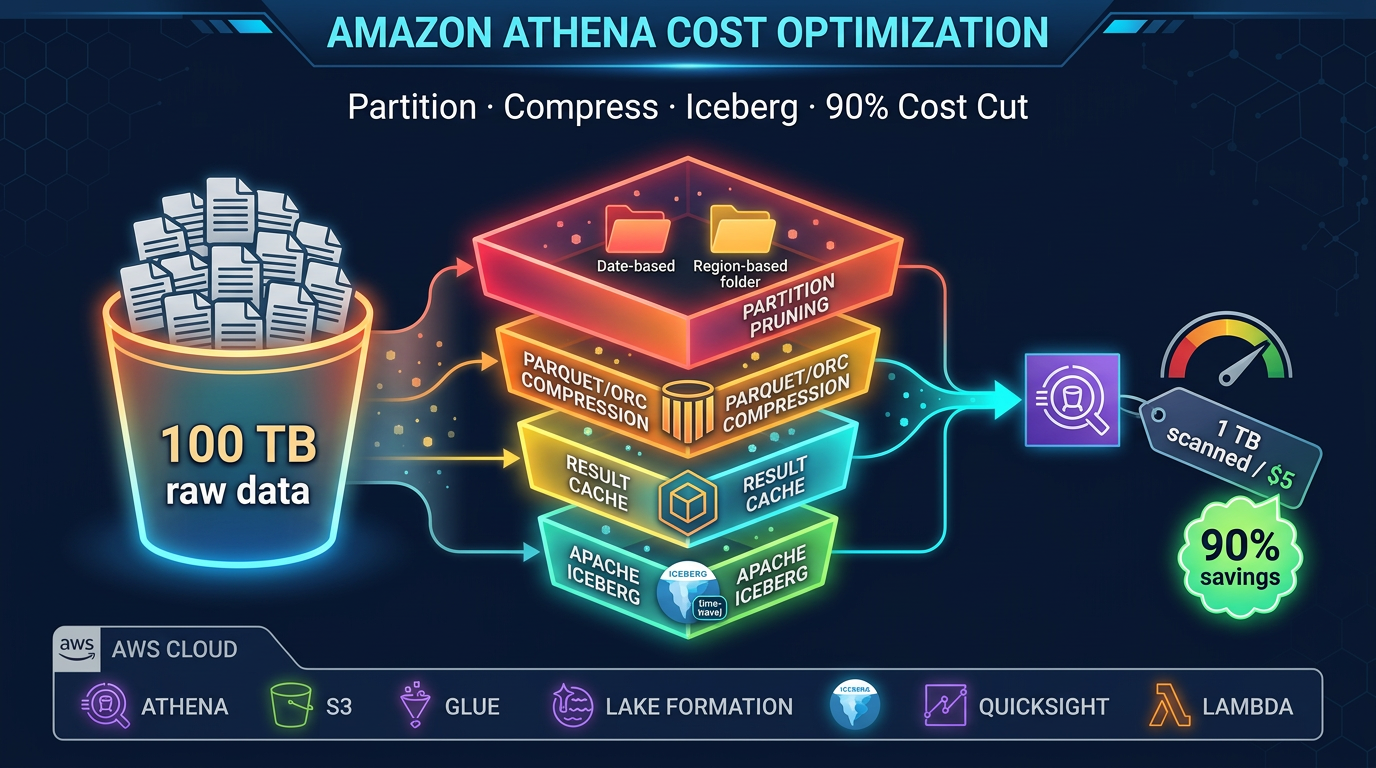
Palaniappan PAthena still bills ~$5/TB scanned (or Capacity Reservations by DPU). July 2026 refresh covering partitions, Parquet/Iceberg, workgroups, and when provisioned capacity wins.
Palaniappan PThe standard cost optimization checklist no longer cuts it. These 8 modern strategies, from unit economics to automated Savings Plans and cost observability, reflect how engineering teams are actually managing cloud spend in 2026.
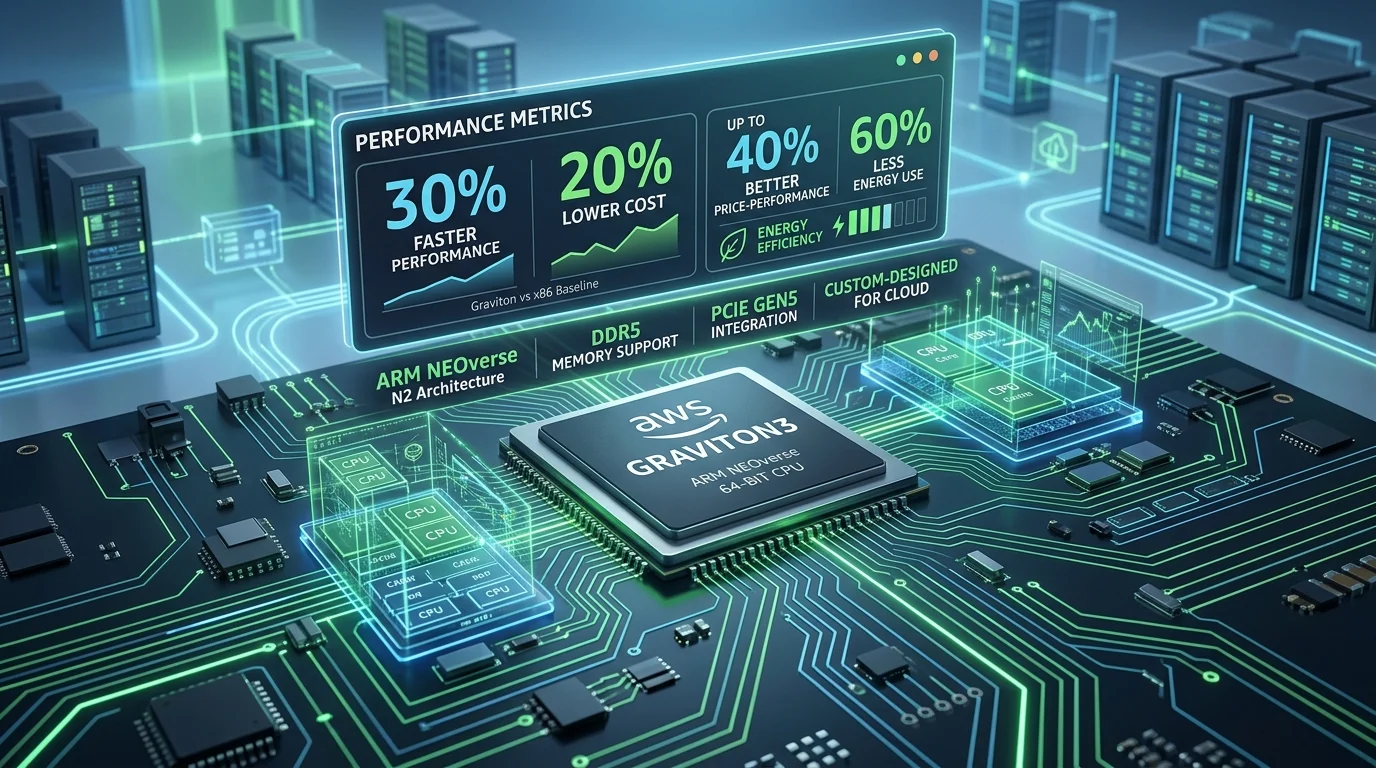
Kevin W.AWS Graviton processors deliver 20-40% cost savings and better performance-per-watt. Covers the migration path, performance benchmarks, and production deployment patterns.
Palaniappan PKarpenter replaces Kubernetes Cluster Autoscaler with intelligent bin-packing and just-in-time node provisioning. This guide covers setup, consolidation, cost optimization, and production patterns for EKS clusters.
Palaniappan P