Tagged

security

Tagged articles
65
4 min

Enterprise AWS Governance (2026): OU Taxonomy, Policy Layering, and Exception RFCs That Scale

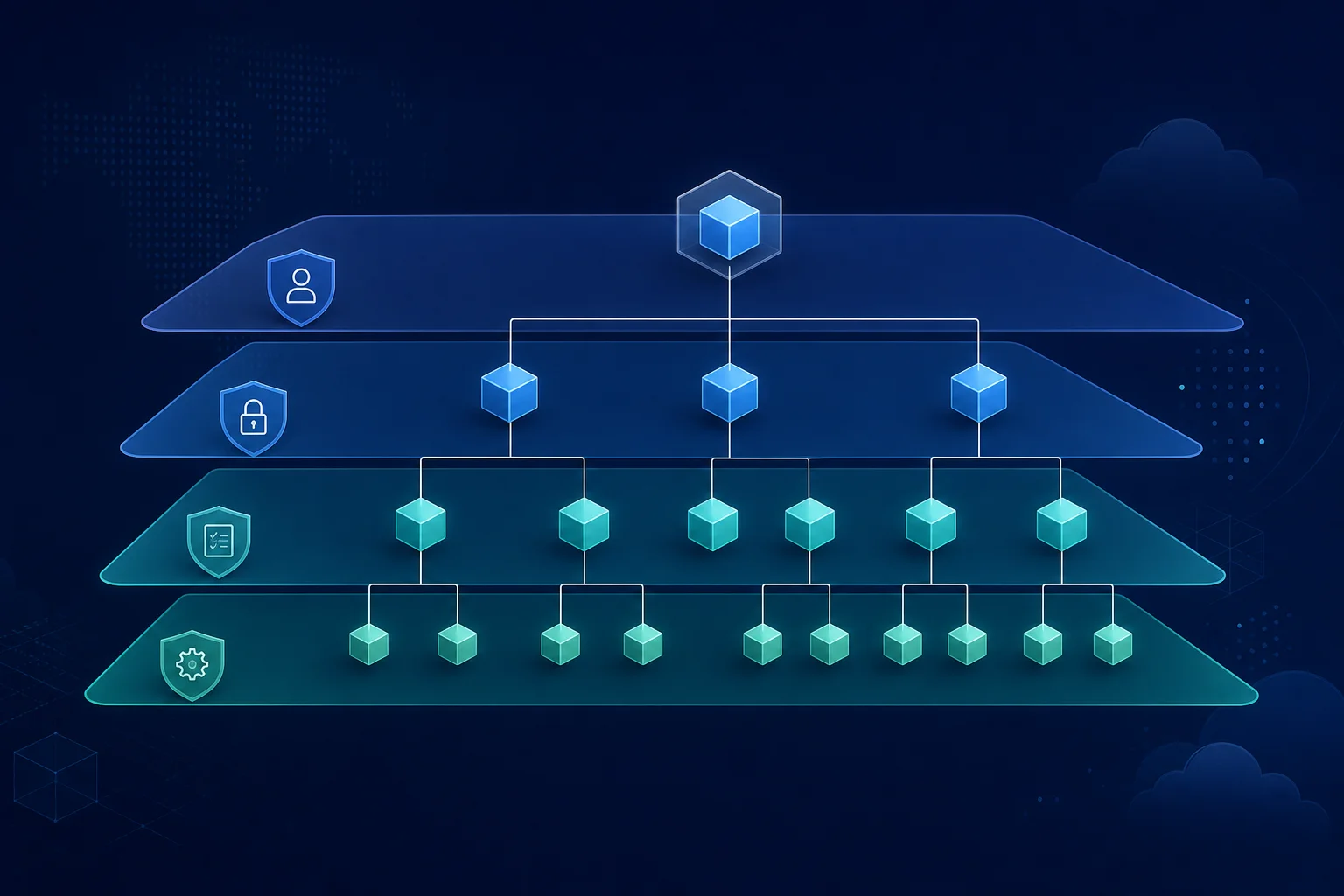
Control Tower gets you an org, but it does not tell you how many OUs you need or which policy type owns VPC public access. Since re:Invent 2024 you have four layers (SCP, RCP, declarative, and tag policies), and RCP coverage grew through Feb 2026 (DynamoDB). A composite 60-account enterprise cut exception SCP attachments from 14 ad-hoc to 3 time-boxed RFCs in two quarters by moving accounts out of "temporary" prod OUs.

Palaniappan P
5 min

Continuous Compliance Automation on AWS (2026): Config Conformance Packs, SSM Auto-Remediation, and Audit Manager — Past Security Hub

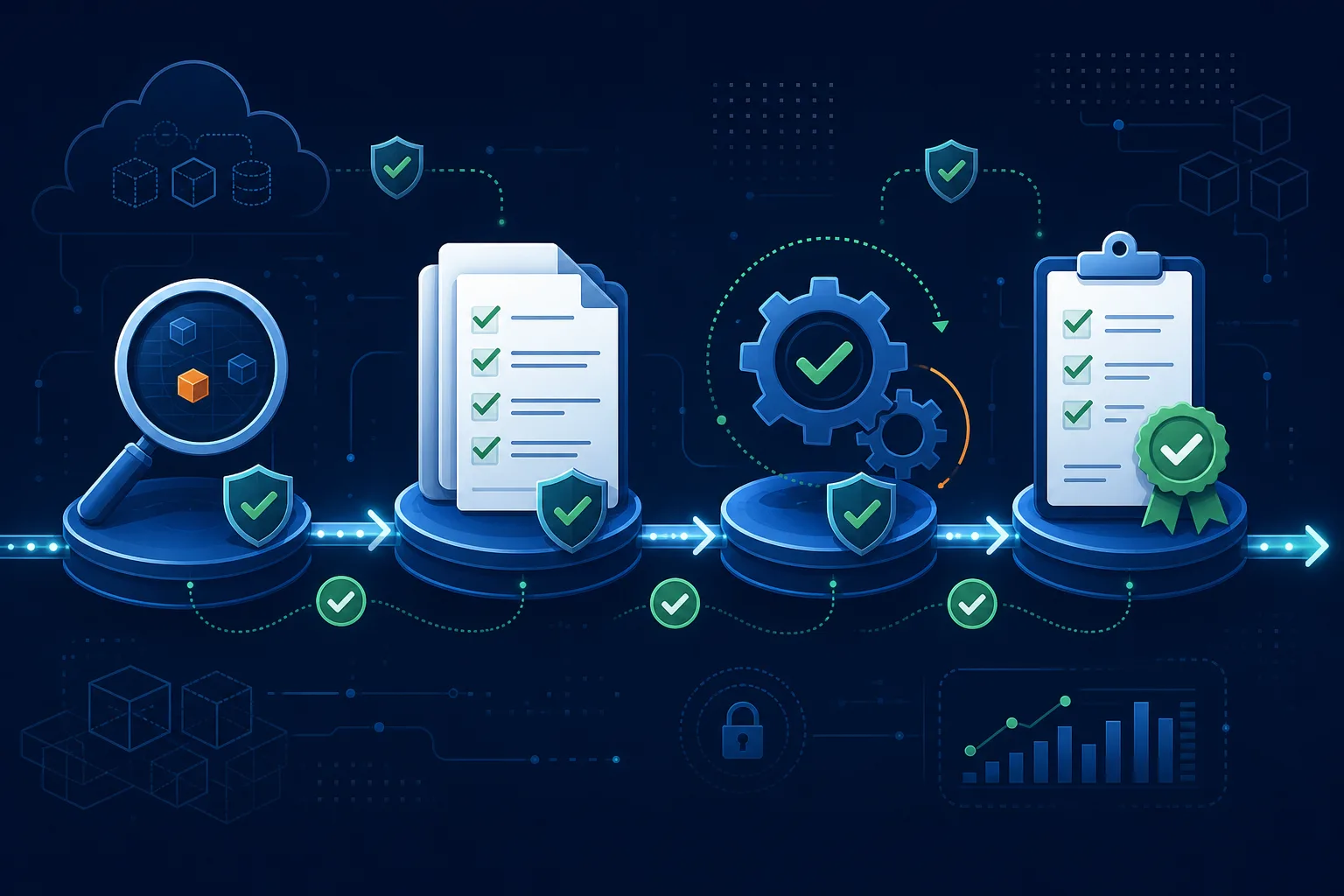
Security Hub detects control failures. It is not the compliance pipeline, and treating it as one is why teams still scramble for evidence at audit time. The four jobs are distinct: AWS Config detects drift, conformance packs deploy rules org-wide as immutable bundles, SSM Automation remediates the safe class, and evidence accrues via conformance-pack exports plus Security Hub control status (Audit Manager only if you onboarded before it closed to new customers on 30 April 2026). This post has the tool-per-job matrix, a conformance pack with auto-remediation, and the auto-remediation gotcha to design around.

Nash Ogden
6 min

AWS Incident Response Runbooks (2026): What Changes Now That Security Incident Response Is Metered and GuardDuty Correlates Attack Sequences

Two 2025 shifts rewrite the IR playbook: GuardDuty Extended Threat Detection now emits a single critical attack-sequence finding instead of a pile of high findings, and AWS Security Incident Response moved to metered pricing (free first 10,000 findings/month, then $0.000676 each) on November 21, 2025. The lesson is to page humans on the top 1% of correlated criticals, isolate instead of terminate, and let auto-triage absorb the rest.

Nash Ogden
7 min

AWS KMS Encryption Architecture (2026): The Per-Tenant CMK Trap, the 10,000 req/s Shared Quota, and When AWS-Owned Keys Win

Most KMS guides stop at "enable encryption." The architecture decision that actually bites is the key boundary: split one CMK into 3,200 per-tenant keys and you pay ~$3,200/mo in key storage alone while still sharing a single 10,000 req/s symmetric quota. The post covers the decision matrix, the throttle math, and the encryption-context pattern that gives per-tenant isolation without per-tenant keys.

Nash Ogden